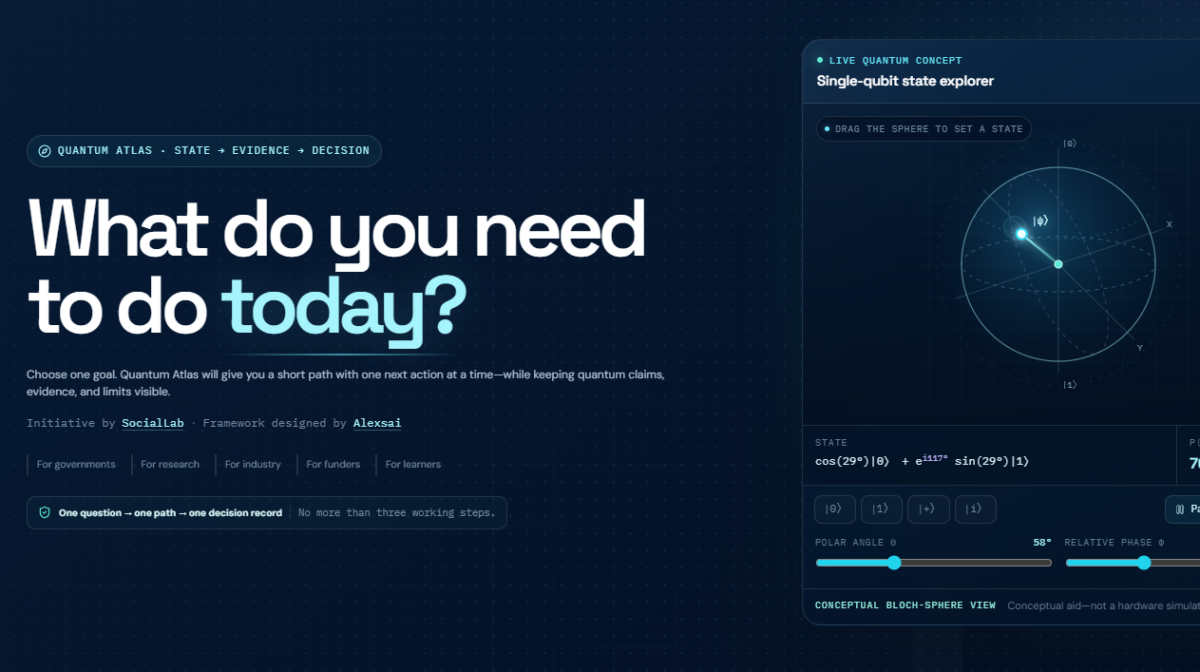
Quantum Atlas is an evidence-aware reference platform that helps governments, enterprises, research institutions, and major industry make grounded, accountable decisions about quantum computing, AI integration, and post-quantum security.
Stop chasing hype. Benchmark quantum claims against classical baselines, map PQC security exposure, and enforce auditable decision gates.
Platform Core Engines
Nine operational modules designed to solve specific governance and adoption challenges
| Module | Purpose | Key Outcome |
| Learning Lab | Interactive technology comparison | Differentiate boundaries between Classical, Quantum, QML, and PQC. |
| Q-Ready | Capability & security diagnostic | Identify organizational readiness gaps and post-quantum vulnerabilities. |
| Benchmark | Verification test contracts | Compare quantum performance claims against classical AI baselines. |
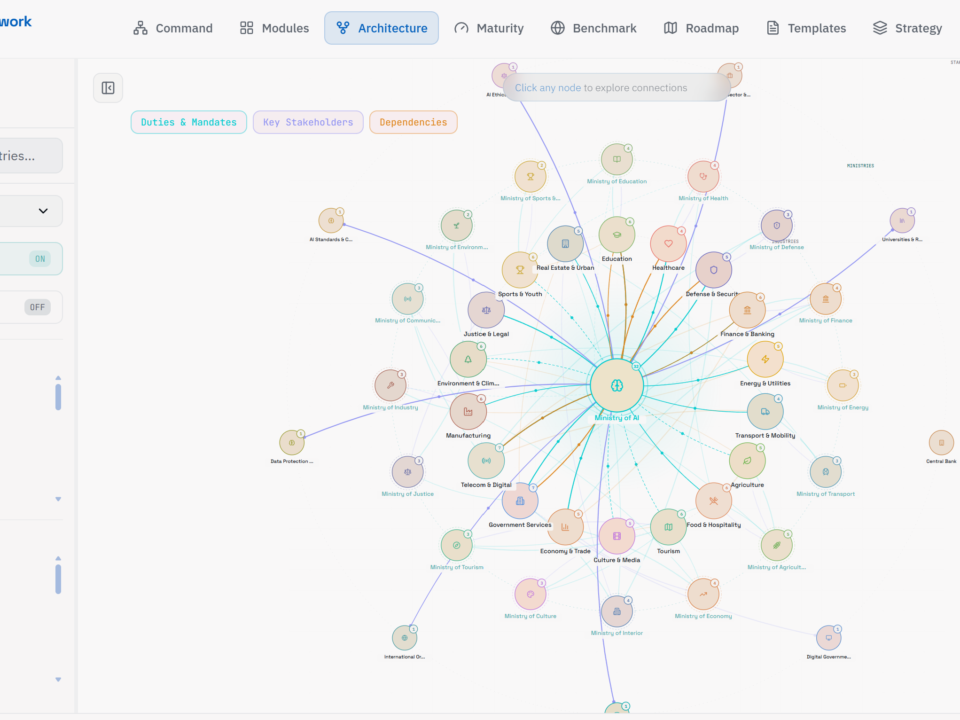
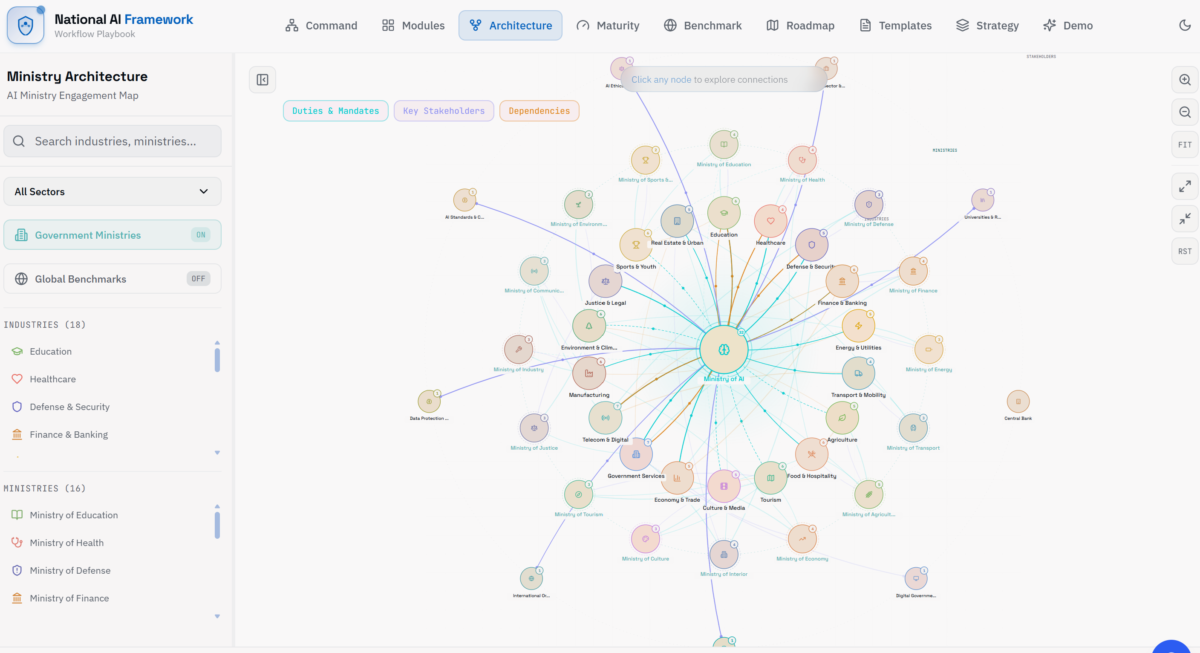
| Systems Atlas | Dependency mapping | Trace complex relationships across technology, infrastructure, and risks. |
| Q-Index | Multi-lens profiling | Evaluate 7 governance dimensions without relying on opaque single scores. |
| Quantum SAGE | Accountable decision gates | Record auditable Go, Pause, Classical-First, or Stop dispositions. |
| Roadmap | Adoption sequencing | Define operational milestones, ownership, dependencies, and refresh points. |
| Glossary Library | Standardized terminology | Access 31 cited global standards, including ISO/IEC 4879:2024. |
| Global Activity | Evidence-aware tracking | Inspect verified global quantum signals, facilities, and regional initiatives. |
Built for Every Stakeholder Role
Governments & Policymakers
Structure national quantum strategies, manage PQC infrastructure risks, and establish transparent public funding gates.
Enterprise & Industry Leaders
Evaluate business fit, compare vendor benchmarks against HPC alternatives, and manage supplier dependencies.
Funders & Program Managers
Require explicit benchmark test contracts and enforce auditable review gates before scaling capital commitments.
Researchers & Educators
Utilize standardized terminology across ISO/IEC 4879:2024 standards and inspect multi-language glossary definitions.
Six Guided Starting Points
Bounded navigation designed around specific user objectives