
Data Science for Social Good: How Data Drives Human-Centric Solutions
October 15, 2023
Eastern Europe Tech Hubs: The Future of Innovation
February 8, 2024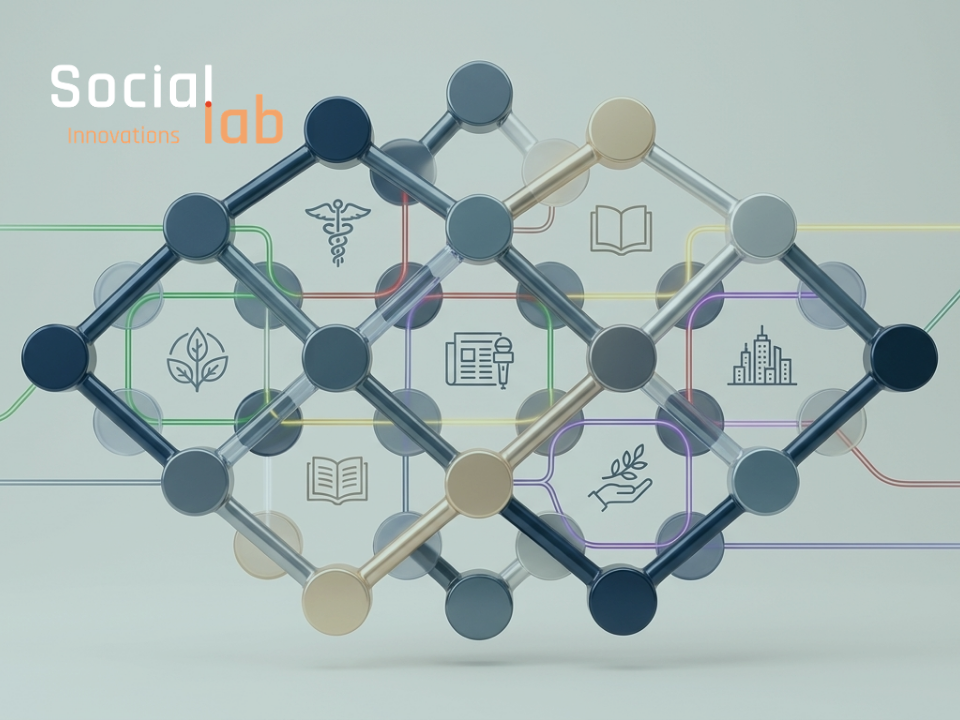
- Why Multidisciplinary Approaches Matter
- How AI Enables Cross-Sector Innovation
- SocialLab’s Approach
- The Challenges of Integration
- Moving Forward
- Frequently Asked Questions
Innovation rarely emerges from isolated expertise. The most impactful solutions arise when diverse disciplines converge — bringing unique perspectives, methodologies, and knowledge to shared challenges.
Working across healthcare, education, media, and crisis response has shown us that AI’s greatest value isn’t technical sophistication. It’s the ability to bridge disciplines and translate insights across domains.
Why Multidisciplinary Approaches Matter
Societal challenges don’t fit neatly into single disciplines. A public health crisis involves medical knowledge, socioeconomic factors, infrastructure planning, and communication strategies. Climate action requires environmental science, economic analysis, policy expertise, and behavioral understanding.
Diverse Expertise for Hard Problems
Single-discipline approaches miss critical connections. Multidisciplinary collaboration captures the full complexity of real-world challenges.
Cross-Pollination Generates Solutions
When healthcare meets data science, diagnostic AI expands access. When journalism combines with machine learning, disinformation detection scales. These solutions don’t exist within boundaries — they emerge from bridging them.
Shared Knowledge Accelerates Progress
Privacy frameworks from healthcare inform educational AI. Real-time monitoring from crisis response shapes media verification. Knowledge from one domain strengthens work in others.
How AI Enables Cross-Sector Innovation
AI’s power multiplies when it draws from multiple fields. The technical challenge isn’t processing diverse data — it’s ensuring integration serves human needs, not just technical convenience.
Integrated Frameworks Across Disciplines
Public health benefits from combining medical data with socioeconomic indicators. Urban planning improves by connecting infrastructure data with demographic patterns. Educational equity advances through linking learning analytics with resource distribution.
Stronger Predictions from Multiple Lenses
Predictions grounded in single disciplines miss crucial variables. Cross-sector approaches capture real complexity:
- Climate action: Environmental models + economic data + social behavior patterns
- Public health: Medical research + urban planning + communication strategies
- Educational equity: Learning science + accessibility research + socioeconomic analysis
More Inclusive by Design
Drawing on insights from multiple fields produces more inclusive outcomes. Healthcare AI informed by social sciences better serves diverse populations. Educational technology shaped by pedagogy and accessibility research works across contexts. Inclusivity requires intentional integration of diverse expertise.
SocialLab’s Multidisciplinary Approach
Across 50+ projects in 7+ industries, our work demonstrates what cross-sector collaboration produces in practice. Each project required expertise no single discipline could provide.
EU-Certified Diagnostic Systems
Combined clinical expertise, regulatory knowledge, data science, and human-centered design to build diagnostic systems doctors trust.
Content Verification at Scale
Merged journalistic standards, machine learning, linguistic analysis, and cultural context understanding for disinformation detection.
Journalist Safety Platforms
Connected real-time data processing, humanitarian expertise, security protocols, and communication strategies for field safety.
Interdisciplinary AI Literacy
Programs combining technical AI skills, ethical framework development, domain-specific knowledge, and cross-cultural collaboration methods.
Building multidisciplinary solutions requires multidisciplinary capacity. That’s why our Academy and Innovation Factory operate as one integrated system — not parallel tracks.
The Challenges of Integration
Good intentions aren’t enough. Multidisciplinary work requires navigating real structural and cultural barriers at every stage.
Disciplines Speak Different Languages
Data scientists and healthcare professionals define “accuracy” differently. Engineers and educators measure “success” through distinct lenses. Effective collaboration requires translation, not just technical integration.
Institutional Silos Resist Connection
Healthcare systems, educational institutions, and technology companies operate with different timescales, priorities, and constraints. Infrastructure for multidisciplinary work requires institutional commitment, not just individual enthusiasm.
Integration Takes Time
Developing shared understanding across disciplines is slower than working within familiar boundaries. Meaningful integration can’t be rushed — but the resulting solutions justify the investment.
Moving Forward
Multidisciplinary innovation isn’t just combining different experts in one project. It requires deliberate design at every level of how work gets done.
Designing collaboration structures that enable genuine knowledge exchange — not just parallel work happening in the same room.
Developing vocabulary that bridges technical, domain, and human-centered perspectives so every contributor can engage fully.
Valuing expertise from all contributing disciplines — not privileging technical knowledge over domain understanding or lived experience.
Measuring success through real-world impact, not just technical achievement. Communities affected by solutions should define what success looks like.
The most impactful innovations emerge where disciplines converge — if we build the infrastructure for meaningful collaboration.
Artificial intelligence is powerful. But its power serves humanity best when guided by diverse expertise, grounded in real needs, and accountable to affected communities.
Frequently Asked Questions
Common questions about multidisciplinary AI, cross-sector collaboration, and SocialLab’s work.