
Eastern Europe Tech Hubs: The Future of Innovation
February 8, 2024
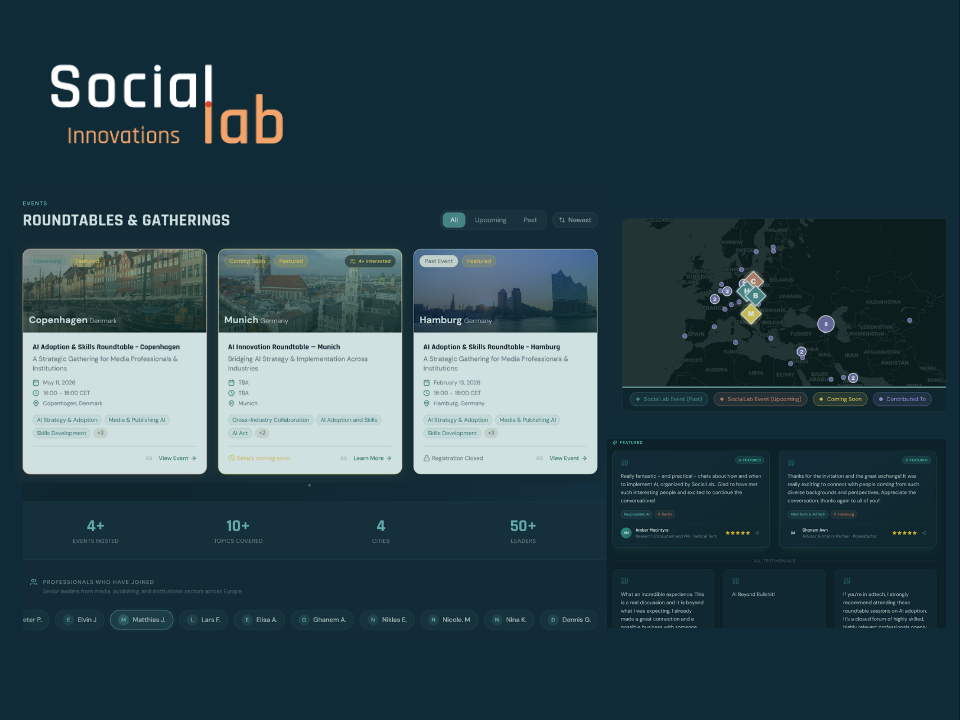
SocialLab Event Portal: Connecting a Global AI Network
March 29, 2026
- Why Women's Empowerment Matters
- SocialLab's Approach
- Building Inclusive Technology
- Operating Principles
- Moving Forward
- Frequently Asked Questions
Technology development affects everyone — but not everyone participates equally in building it.
At SocialLab, our commitment to women's empowerment isn't a separate initiative. It shapes how we design solutions, who we partner with, and how we measure impact — across healthcare, education, media, and crisis response in 27 countries.
Why Women's Empowerment Matters in Technology
Inclusive development isn't a secondary consideration — it's a prerequisite for solutions that actually work. When diverse perspectives are absent from the design process, systems fail the people they were meant to serve.
-
Better Solutions Through Diverse Perspectives
When women participate as developers, decision-makers, and users, technology addresses real needs across communities — not just the needs of those already at the table.
-
Linked to Broader Sustainable Development
Women's empowerment connects directly to how communities advance. Equal access to education, economic opportunity, and decision-making enables faster, more durable progress toward shared goals.
-
Technology as an Enabler — When Designed Right
AI can expand access and create opportunities previously unavailable. But this only happens when equitable access is a core design requirement from the start, not retrofitted at the end.
SocialLab's Approach
Genuine commitment to gender equality means aligning with the international frameworks that define what accountability looks like — beyond stated intentions.
UN Sustainable Development Goal 5
Gender equality and the empowerment of all women and girls globally. Our work directly supports this goal across every project and program.
Learn about SDG 5 →Women's Empowerment Principles
Guidelines by UN Women and UN Global Compact for advancing gender equality in business operations, marketplace engagement, and community impact.
View our WEPs profile →UN Global Compact
Principles covering human rights, labor standards, environmental responsibility, and anti-corruption — all intersecting directly with women's empowerment.
View our UNGC profile →Building Inclusive Technology
Designed for Diverse Contexts
Solutions built to work across diverse resource levels and infrastructure constraints, so women can participate regardless of geography or connectivity.
Built for Everyone from the Start
Development processes that consider diverse needs from the beginning — not systems built for one population and adapted later as an afterthought.
Skills Pathways Across 27 Countries
Programs advancing data science and AI literacy across regions, creating genuine pathways for women into technology fields as builders and leaders.
Community-Aligned Collaboration
Partnerships with women-led organizations, ensuring our work aligns with community priorities rather than external assumptions about what's needed.
Operating Principles
Four principles guide how we approach women's empowerment across every project, program, and partnership.
Human Rights and Dignity
Technology should respect the rights and dignity of all people. This means building systems with privacy protections, transparent operations, and accountability mechanisms that don't erode rights in pursuit of efficiency.
Equal Opportunity
We work toward equitable opportunity in technology development, deployment, and benefit distribution — across all the communities our work touches, not just the most accessible ones.
Community-Centered Development
Effective solutions emerge from understanding community needs. This requires listening to and partnering with women and women-led organizations — not assuming we already know what's needed.
Transparent Impact
Measuring and reporting impact honestly — acknowledging both progress and areas requiring continued effort — demonstrates genuine commitment. Credibility requires honesty, not only success stories.
Moving Forward
Women's empowerment through technology requires sustained commitment, not isolated initiatives. It shapes every decision about how work gets designed and delivered.
Design First
Building technology with diverse needs in view from the very start — not retrofitting inclusion once a product is already shaped.
Right Partners
Partnering with organizations actively advancing women's empowerment so our work connects to what communities are already building.
Global Frameworks
Aligning operations with international principles that define what accountable commitment to gender equality actually looks like.
Honest Measurement
Reporting progress transparently — including what hasn't worked — because genuine impact requires accountability, not just intention.
Gender equality in technology requires choices — about priorities, partnerships, and principles. We choose equality.